
TL;DR
OpenAI launched Businesses in ChatGPT in beta on 10 November 2026, giving brands an official way to claim a profile, update details and add product feeds with prices and availability.
Business Hub shows mentions, website clicks and discovery topics from ChatGPT's own data, and US ecommerce and online service businesses can launch a Business Agent.
A mention counts when ChatGPT cites your website, not when it only names you, so brands still need a view of which AIs name them and who they name instead.
What happened
On 10 November 2026, OpenAI launched Businesses in ChatGPT, in beta. Eligible brands now get an official way to manage how they appear in ChatGPT, and data from ChatGPT itself on how people engage with them. OpenAI says ChatGPT has 1.2 billion weekly users.
It all sits in a new Business Hub, which you open from the ChatGPT sidebar. Some have compared it to a Search Console for ChatGPT. It is the first time ChatGPT reports to brands on how they show up.
What changes for brands
Until now, ChatGPT was largely a black box for a brand. Here is what is different.
Your details. Before, most brands had no official way to tell ChatGPT about their business. It worked from what it found on the web. Now you can claim your profile and, once verified, update your website, description, category, logo, and delivery and return policies. OpenAI reviews each change before it goes live.
Your products. Before, most brands had no direct way to give ChatGPT their prices and stock. Products from some Shopify merchants were already in ChatGPT through Shopify Catalog. Now you can add a product feed with prices and availability, as a file or through Shopify. OpenAI calls this a way to give people "the most accurate and up-to-date details".
Your numbers. Before, you could see ChatGPT referral visits in your own analytics, but not how often it cited you. Checking meant asking it yourself, again and again, or using an outside tool that samples questions. Now Business Hub shows mentions and website clicks over the past 28 days, from ChatGPT's own data.
What you are cited for. Before, you had to guess the themes behind the answers that led to you. Now you get "discovery topics", the common themes in answers that mentioned or cited your business. OpenAI notes they do not reveal prompts or directly measure intent.
Your own agent. Before, a buyer's follow-up question was usually answered by ChatGPT alone. Now eligible US ecommerce and online service businesses can launch a Business Agent that answers questions about their products and policies, in a separate, labelled chat. A buyer comparing two options can ask it which one fits their needs.
Why it matters in India
Claiming is open to eligible businesses wherever ChatGPT is available, subject to OpenAI's verification for the business type. Business Agents, and local listings for stores and restaurants, start in the US.
The audience is large. OpenAI India MD Prabhjeet Singh told ET this month that India is now ChatGPT's largest market by weekly users, as reported by Inc42. That is OpenAI's own figure, but it is a strong reason for Indian brands to claim early.
Read the numbers for what they are
The insights are a big step, and they are worth reading carefully.
A mention means a cited website. OpenAI's help page says that for an online business, "a mention counts when ChatGPT references the business's website. The brand name alone doesn't count." ChatGPT can name a brand without citing its site. In DataForSEO's US data (it sells search and AI data), 27.3% of ChatGPT answers cited no source at all. So the Business Hub count is closest to "how often ChatGPT cited my site".
Blank does not mean zero. Insights appear only once activity passes a reporting threshold. OpenAI says a blank metric "doesn't necessarily mean zero activity". Smaller brands may see empty cells at first.
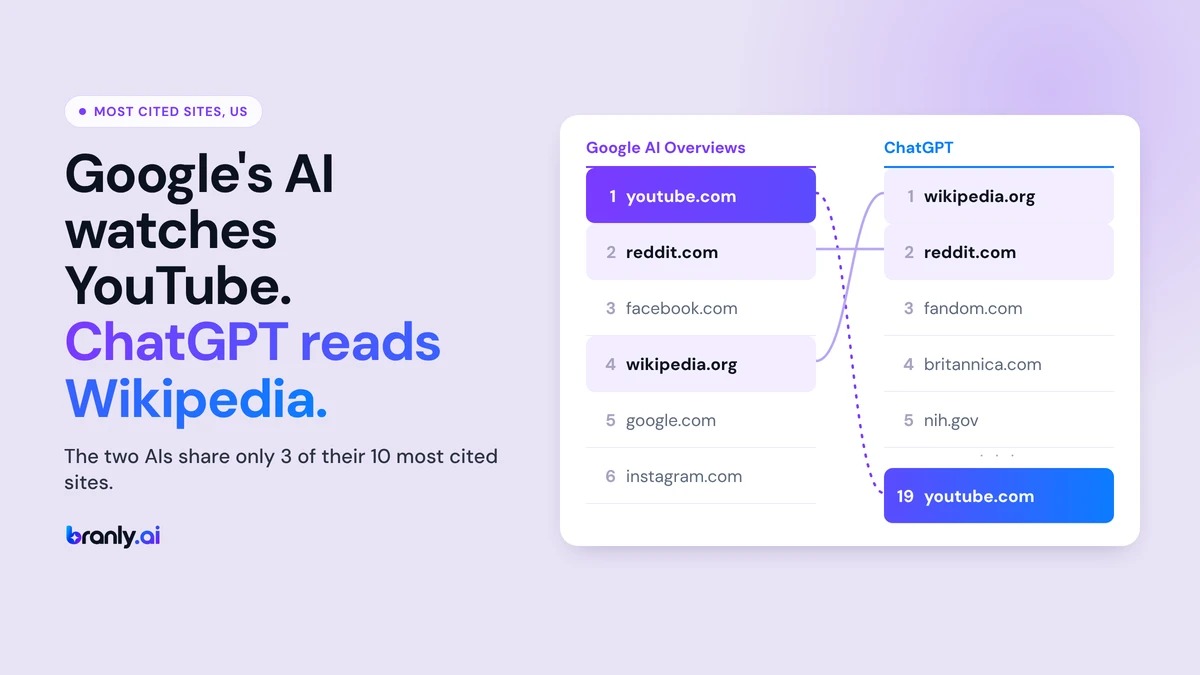
What it does not show. Businesses do not see individual prompts or conversations. There is no view of rivals, and it covers ChatGPT only, not Google's AI Overviews, Gemini or Perplexity.
Claiming is not ranking. OpenAI says claiming "doesn't guarantee increased visibility or give you direct control over ChatGPT's independent recommendations", and "Advertising doesn't influence ChatGPT's independent answers." ChatGPT "may also use other sources when answering questions about your business".
The other side
OpenAI is also building a business here. Business Agents can be sponsored and used as the destination for ChatGPT Ads. OpenAI says sponsored placements are clearly labelled and separate from ChatGPT's answers.
The setup also takes some care. You need identity verification through Persona to see insights or publish changes. Only draft profiles can be deleted: OpenAI Support cannot delete, unpublish or hide a published profile as part of a setup or ownership request. Each brand and each location is managed separately.
What this means for brands
- Claim your profile this week. Use the business email or website domain you control. Check the website, category, description and return policy before you publish.
- Add your products. If you sell online, connect a product feed so ChatGPT can use your current prices and stock.
- Use the numbers, and add the missing view. Watch mentions, clicks and topics in Business Hub. Alongside them, keep track of your buyers' own questions: whether each AI names you, which rivals it names instead, and which sources it trusts. That is what Branly measures.
Sources
- OpenAI, "Introducing Businesses in ChatGPT" (10 November 2026)
- OpenAI Help Center, "Setting up your business on ChatGPT"
- DataForSEO, "Search Insider 2026" (October 2026, free with a sign-up form)
- Inc42, "India Becomes ChatGPT's Largest Market Globally, User Base Doubles Since January" (3 November 2026)
Date
November 11, 2026